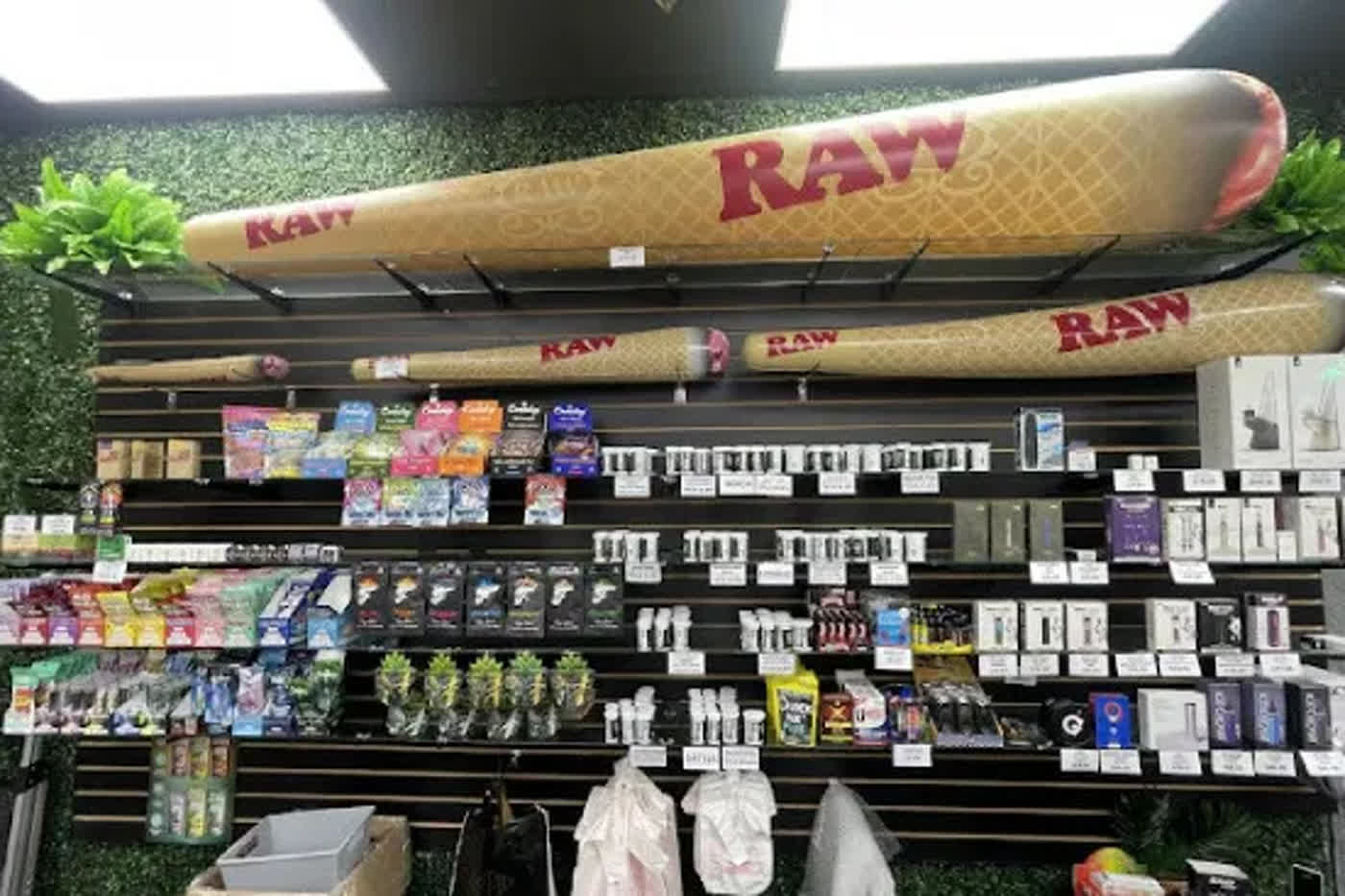
The exponential growth of the hemp-derived wellness market has resulted in an overwhelming influx of products on retail shelves. While this accessibility is beneficial for consumers seeking natural alternatives, it also creates a landscape fraught with inconsistencies in quality and potency. As an analyst evaluating botanical commodities, it is apparent that not all extracts are created equal. The regulatory environment remains somewhat fragmented, placing the burden of due diligence squarely on the consumer and the retailer. Finding a dedicated CBD Shop Morrow that prioritises stringent quality control is essential for ensuring you are purchasing a safe, effective product. To navigate this complex market, consumers must learn to look beyond the marketing claims on the label and understand the critical factors that dictate the true value and therapeutic potential of these botanical formulations.
The Importance of Sourcing and Cultivation
The journey of a high-quality botanical extract begins long before the manufacturing stage; it starts in the soil. Hemp is a notoriously bioaccumulative plant, meaning it rapidly absorbs both nutrients and toxins from the earth it is grown in. Therefore, the geographical source and agricultural practices used during cultivation are of paramount importance. Products derived from hemp grown in heavily industrialised areas or using synthetic pesticides risk carrying heavy metals and chemical residues into the final extract. Top-tier brands meticulously source their biomass from certified organic farms, often located in regions with strict agricultural regulations like Colorado or Oregon. A reputable retailer will possess detailed knowledge of a brand's supply chain, ensuring that the foundational plant material meets the highest standards of agricultural purity before any extraction processes even begin.
Evaluating Extraction Methodologies
The method utilised to separate the valuable cannabinoids and terpenes from the raw plant material drastically affects the purity and chemical profile of the resulting product. Historically, harsh hydrocarbon solvents like butane or hexane were common, but these pose significant risks of leaving toxic residual compounds in the extract. Today, the industry gold standard is supercritical CO2 extraction. This sophisticated process uses carbon dioxide under extreme pressure and low temperatures to gently pull out the desired compounds without damaging the delicate terpenes or leaving behind any harmful solvents. An alternative, equally safe method is ethanol extraction, provided it is executed in a highly controlled, pharmaceutical-grade environment. Consumers must be educated to ask retailers about the specific extraction methods employed by the brands they stock, as this is a critical indicator of manufacturing integrity and product safety.
Full Spectrum vs. Isolate Profiles
Understanding the chemical composition of the extract is vital for predicting its efficacy. Products are generally categorised into three main profiles: full-spectrum, broad-spectrum, and isolate. A full-spectrum extract retains the complete array of cannabinoids, terpenes, and flavonoids naturally present in the plant, including trace, legally compliant amounts of THC. This profile is widely considered the most effective due to the "entourage effect," a theory suggesting these compounds work synergistically to enhance each other's therapeutic benefits. Broad-spectrum products maintain this complex profile but undergo additional processing to completely remove the THC. Finally, isolate products contain only the single, purified cannabinoid, stripped of all other plant compounds. While isolates offer precise dosing, they lack the synergistic benefits of the whole plant. A knowledgeable retailer will guide consumers towards the specific profile that best aligns with their individual wellness goals.
Decoding Certificates of Analysis (COAs)
The single most important tool for verifying product quality is the Certificate of Analysis (COA) provided by an accredited, independent laboratory. A proper COA acts as the chemical fingerprint of the product, moving beyond marketing promises into hard scientific data. It must confirm the exact milligram count of the primary cannabinoids, verifying that the product matches the potency claimed on the label. Equally important, a comprehensive COA will include a full contaminant panel, proving the absence of pesticides, heavy metals, mycotoxins, and residual solvents. If a brand cannot easily provide an up-to-date COA linked to the specific batch number on the bottle, it should be immediately disqualified from consideration. Premium retail environments make these documents readily accessible, establishing an atmosphere of total transparency and scientifically backed quality assurance.
Conclusion
Navigating the botanical wellness market requires a critical eye and a fundamental understanding of agricultural sourcing, extraction science, and laboratory verification. By prioritising products derived from organically cultivated hemp, processed via clean extraction methods, and backed by rigorous third-party testing, consumers can confidently invest in their health. Relying on educated retailers who enforce these strict quality standards is the safest path to effective botanical integration.
Call to Action
Ensure you are receiving the highest quality, lab-tested botanical extracts by consulting with our knowledgeable staff and exploring our rigorously vetted inventory today.